
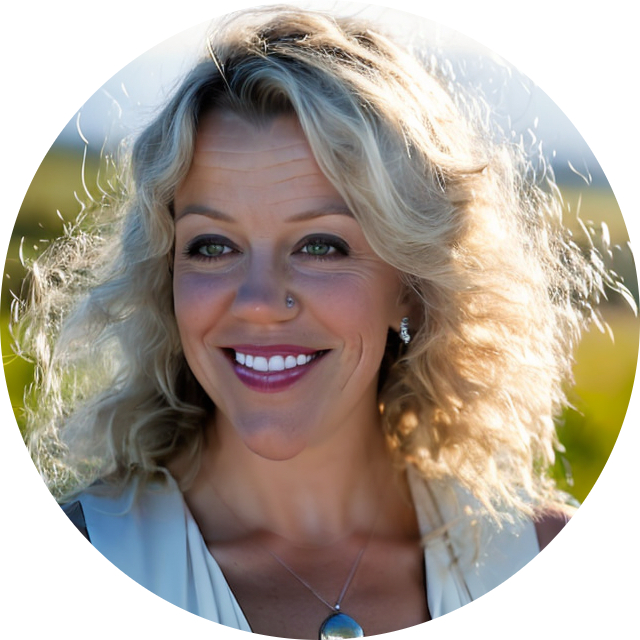
MORE about me.
My path into this work has never followed a single discipline. It has been a long exploration across psychology, medicine, and the deeper questions of what it truly means for a human being to heal.
My earliest academic foundation was a bachelor’s degree in psychology. Even then I found myself drawn to the deeper architecture of human experience, how identity forms, how trauma shapes perception, and how people find their way back to themselves after difficult chapters of life. Alongside that intellectual curiosity was a strong intuitive sense that healing rarely lives in one dimension. It unfolds across the mind, the body, and the stories we carry about who we are.
Later, I trained as a naturopathic doctor and spent more than fifteen years working in integrative clinical medicine. My work focused on the physiology of the body through functional medicine, nutrition, and systems-based approaches to health. That experience gave me a deep respect for the biological foundations of wellbeing and for the complexity of the human body.
Yet sitting with patients year after year also reinforced something I had sensed early on. Many of the patterns people struggle with are not held only in the body. They live in the nervous system, in identity, and in the deeper layers of experience that often remain outside conscious awareness. Symptoms frequently carry stories beneath them, stories about safety, belonging, control, and the ways people learned to navigate the world.
Over time, this realization drew me further toward the psychological and relational dimensions of healing. I became increasingly interested in how trauma shapes the way we inhabit our bodies, how identity organizes around past experience, and how meaningful change occurs when the mind, body, and nervous system begin to reorganize together.
I am currently completing a Master’s degree in counselling psychology, where my academic work focuses on trauma, identity development, and the complex relationship between nervous system regulation and psychological transformation. Returning to graduate study after years of clinical practice has deepened my respect for both research and lived experience, and for the careful integration of science with the realities of human suffering and resilience.
Alongside my formal training, I have spent many years studying subconscious processes, somatic awareness, and therapeutic approaches that help people reconnect with the intelligence of their own bodies. These experiences have shaped a perspective that bridges disciplines, integrating physiological understanding with psychological depth and embodied awareness.
Today my work centers on integrative psychology, exploring how trauma, identity, and embodiment shape the way people relate to themselves and the world.
In addition to working with individuals, I mentor practitioners who are drawn to understanding transformation at a deeper level. Many professionals learn techniques, but fewer have the opportunity to examine the underlying architecture of change, how identity reorganizes, how the nervous system learns safety, and how healing unfolds when the deeper layers of experience are brought into awareness.
My role as a mentor is not simply to teach methods, but to create space for practitioners to think more deeply about the work they are doing, to explore the intersection of psychology, embodiment, and consciousness, and to cultivate the kind of discernment that allows transformation to occur in ways that are both grounded and meaningful.
At the heart of all of this work is a simple understanding that has guided my path across disciplines: healing rarely happens at the surface. It requires depth, courage, and a willingness to enter the places where the body, mind, and identity hold their unspoken stories.
Whether working with individuals or mentoring practitioners, my intention is to create a space where that deeper work can unfold with curiosity, integrity, and care.